

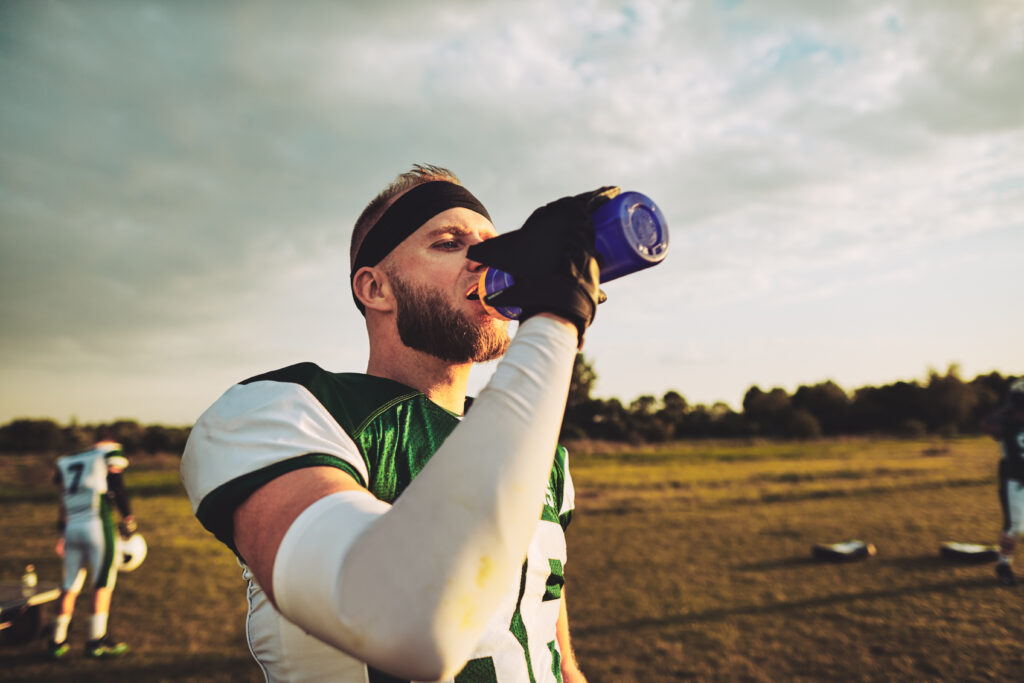
Athletes face distinctive vulnerabilities to substance use disorders stemming from performance pressures, injury management practices, career transition challenges, and competitive culture dynamics. Simultaneously, athletic backgrounds provide unique recovery assets, including discipline, goal orientation, team experience, and physical conditioning, that can enhance treatment outcomes when properly leveraged.
This page explores the interrelationship between athletic identity, substance use disorder development, and recovery processes.
Performance Enhancement and Substance Initiation
Substance use among athletes frequently originates in performance enhancement attempts rather than recreational experimentation. The intense pressure to maintain a competitive edge, meet coach expectations, and secure scholarships or professional contracts creates powerful motivation for ergogenic aid use.
Performance-enhancing drugs, including anabolic steroids, stimulants, and HGH (human growth hormone), are initial exposure points for many athletes. While these substances aim to improve athletic performance rather than produce intoxication, their use establishes patterns of substance dependence, introduces black market drug acquisition, and often progresses to additional substance use.
Research shows that athletes using performance-enhancing substances are at much greater risk of subsequent alcohol, stimulant, and opioid misuse than non-substance-using athletic peers. This progression reflects multiple factors, including diminished perception of substance use risk, established connections with illicit drug sources, and psychological dependence on pharmaceutical performance optimization.
Stimulant medications prescribed for ADHD (attention-deficit hyperactivity disorder) are another performance-related initiation pathway. Athletes discover that prescribed stimulants enhance focus, endurance, and training capacity, leading to misuse patterns exceeding therapeutic dosing. The NCAA (National Collegiate Athletic Association) reports concerning prevalence rates of stimulant misuse among collegiate athletes, especially in sports demanding sustained concentration and explosive energy.
Pain Management and Opioid Exposure
Athletic careers involve inevitable injury exposure. Contact sports, repetitive motion activities, and high-impact training trigger substantial musculoskeletal trauma that requires pain management. This medical necessity provides direct exposure to potentially addictive opioid analgesics during developmentally vulnerable periods.
Studies reveal that athletes sustaining injuries requiring opioid prescription demonstrate addiction rates far higher than the general population prevalence. Retired National Football League players used opioid medications at rates more than four times that of age-matched controls, with more than half meeting criteria for misuse.
The athletic culture’s emphasis on perseverance through pain triggers additional complications. Athletes learn to minimize the significance of injuries, continue training despite discomfort, and view pain as a weakness to be concealed. These attitudes discourage appropriate injury reporting, promote inadequate healing periods, and encourage excessive analgesic consumption to maintain training and competition participation.
Post-career chronic pain is a major addiction risk factor. Years of accumulated trauma produce lasting musculoskeletal damage that requires ongoing pain management. With active athletic careers providing identity and purpose, former athletes become particularly vulnerable to prescription opioid dependence and subsequent progression to illicit opioid use.
Identity Foreclosure and Career Transition Vulnerability
Athletic identity development often occurs at the expense of broader identity exploration. Young athletes invest extraordinary time and energy in sport-specific skill development, often neglecting academic pursuits, social relationships, and exploration of alternative interests. This identity foreclosure creates profound vulnerability when athletic careers conclude.
Career-ending injuries or failures to achieve professional success precipitate identity crises among individuals whose entire self-concept centers on athletic achievement. Research suggests that athletes experiencing forced retirement show elevated depression, anxiety, and substance use rates compared to those voluntarily transitioning from competition.
The loss of structure, purpose, team belonging, and achievement feedback creates an existential void that substances temporarily fill. Former athletes describe using alcohol, stimulants, or opioids to manage overpowering feelings of purposelessness, social isolation, and lost identity following athletic career conclusion.
The Performance Culture’s Dark Side
Competitive athletic environments often normalize substance use while simultaneously demonizing weakness or vulnerability. Alcohol consumption is a standard team bonding activity and celebration ritual. Stimulant use for training enhancement gains tacit acceptance. Pain medication use to maintain competition eligibility becomes expected rather than questioned.
This culture creates cognitive dissonance where substance use is simultaneously prohibited by athletic governing bodies and implicitly encouraged by competitive demands. Athletes receive contradictory messages: achieve peak performance by any means necessary while adhering to anti-doping regulations and maintaining wholesome public images.
The hypercompetitive mindset cultivated through athletics can translate problematically to substance use patterns. Athletes approach drug and alcohol consumption with the same intensity and goal-orientation they applied to training, potentially accelerating addiction development through excessive, focused substance use.
Athletic Strengths Supporting Recovery
Despite elevated addiction vulnerabilities, athletic backgrounds provide many recovery assets when properly engaged. Discipline, commitment, goal-setting abilities, and capacity for delayed gratification, all honed through competitive experience, directly transfer to recovery skill requirements.
Athletes possess experiential understanding that meaningful achievement requires consistent effort, the ability to deal with setbacks, and a long-term perspective. These cognitive frameworks support recovery’s demanding, nonlinear process by helping athletes recognize parallels between training dedication and recovery commitment.
Team experience sharpens interpersonal skills and peer support, which are valuable in group therapy and recovery community contexts. Athletes accustomed to collaborative goal pursuits and mutual accountability often engage effectively with peer-based recovery models.
Physical conditioning and exercise habits provide immediate tools for recovery. Structured physical activity reduces cravings, improves mood, enhances sleep quality, and offers natural dopamine release, supporting neurobiological recovery. Athletes’ existing exercise competence and enjoyment facilitate the integration of therapeutic exercise.
Evidence-Based Treatment Adaptation
Effective treatment for athletes requires specialized approaches that address sport-specific factors while leveraging athletic strengths. Motivational interviewing techniques adapted to athletic language and frameworks prove especially effective. Framing recovery as training for optimal life performance, setting progressive achievement goals, and emphasizing personal records in sobriety duration resonate with athletic mindsets.
CBT (cognitive-behavioral therapy), addressing perfectionism, fear of failure, and identity rigidity, helps athletes develop flexible self-concepts that incorporate, but are not limited to, athletic achievement. Identity reconstruction therapy supports explorations of interests, values, and capabilities beyond sport participation.
Peer support from other athletes in recovery provides validation and understanding. Seeing former competitors or teammates successfully working through recovery challenges offers compelling evidence that athletic identity and sobriety coexist. Several organizations, including Pro Athletes in Recovery and professional sports alumni associations, provide athlete-specific support networks.
Adventure therapy and physical challenge programs capitalize on athletes’ affinity for physical accomplishment and outdoor experiences. Surf therapy, rock climbing, endurance challenges, and team-based adventure activities provide familiar achievement contexts within recovery frameworks.
Comprehensive Athletic Recovery Support
Anchored Recovery Community appreciates the distinctive needs and strengths athletes bring to addiction treatment. Our evidence-based programming incorporates adventure therapy, physical wellness, team-oriented peer support, and identity-reconstruction approaches, specifically benefiting athletic populations.
Discuss specialized treatment addressing the unique challenges athletes face by calling Anchored Recovery Community today at (949) 696-5705.